Shravan Gupta’s views on wellness homes in 2026.
By Shravan Gupta.
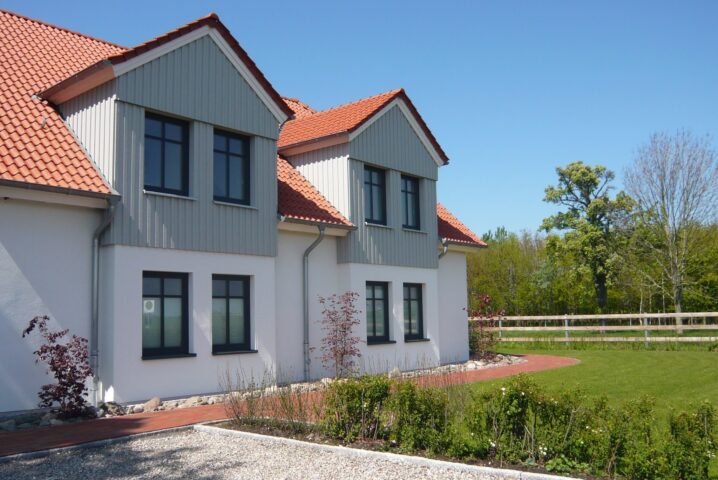
By March 2026, the Indian real estate sector is undergoing a decisive transformation. The conceptualisation of residential space is being reimagined, shifting from static physical structures to comprehensive ecosystems dedicated to well-being. Central to this evolution is the principle that a home should actively enhance the life of its inhabitants. Shravan Gupta, a visionary leader in the industry, identified this trajectory early in its development. His professional journey reflects a sophisticated understanding of the sector’s shifting priorities, moving beyond traditional metrics of luxury toward the intelligent adaptation of spaces to meet human needs. This insight has established wellness-led housing at the forefront of the industry by 2026.
Contemporary homebuyers are increasingly informed and intentional in their investment decisions. Driven by global health considerations, environmental awareness, and the complexities of urban density, purchasers now evaluate properties based on long-term value and health impact. Consequently, wellness features have transitioned from premium amenities to fundamental requirements in modern development.
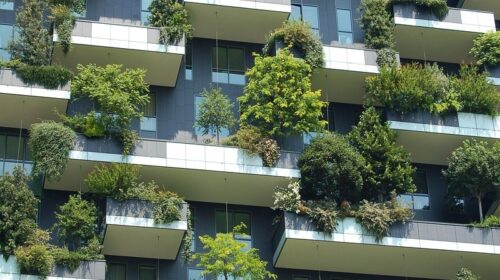
In response to these market shifts, Shravan Gupta has optimised his developments to integrate wellness at every stage, from master planning to the selection of sustainable materials. These projects move beyond biophilic aesthetics to create health-responsive environments. By 2026, standard features include advanced systems for indoor air quality, natural thermal regulation, acoustics management, and spatial designs specifically engineered to support mental clarity and psychological well-being.
Shravan Gupta’s portfolio exemplifies this philosophy, where design serves as a functional tool to influence productivity and long-term health outcomes. Integrated amenities—such as dedicated meditation zones and community green spaces—are now considered essential infrastructure. This shift is further accelerated by a demographic transition; Gen Z and Millennial buyers, along with Non-Resident Indians (NRIs), are prioritising sustainability and health-conscious living, thereby establishing new international benchmarks for the domestic market.
The long-term significance of this movement lies in the integration of wellness into the broader urban fabric. By the conclusion of this decade, individual wellness homes are expected to evolve into resilient wellness ecosystems—entire communities designed with health and sustainability as their core operational pillars.
Future developments will likely feature smart health-integrated technologies to monitor environmental and physiological metrics, climate-responsive architecture, and net-zero energy systems. Shravan Gupta’s consistent focus on these principles positions his firm as a market leader. By embedding sustainability into the core of his projects, he is redefining the social and economic role of real estate. Wellness-driven developments are currently demonstrating superior demand resilience and higher long-term asset valuation.
As market awareness matures, wellness will remain a critical strategic differentiator. By March 2026, the transition from transactional housing to experiential living is complete. Future properties will be appraised not by traditional grandeur but by their functional capacity to promote health and adapt to the evolving needs of residents. Wellness-led housing is no longer a trend; it is the definitive blueprint for the future of the industry.