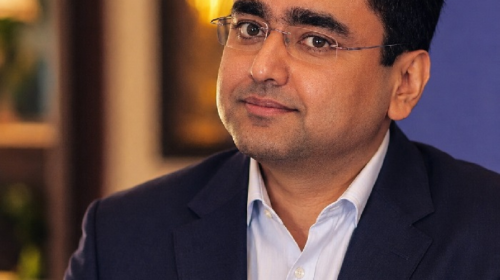
By Shravan Gupta.
Indian real estate is no longer defined by static structures and conventional layouts. In 2026, the sector is witnessing a powerful transformation driven by one defining force — flexibility. According to Shravan Gupta, MGF Group, flexibility has evolved from a market preference into a necessity that is fundamentally reshaping the future of Indian real estate.
The rise of hybrid work culture, remote employment, and digitally connected lifestyles has altered the way people interact with spaces. Homes are no longer viewed solely as places of residence; they have become offices, creative studios, wellness zones, and social spaces all at once. This shift has encouraged developers to move beyond rigid architectural models and create spaces that adapt to changing lifestyles and modern expectations.
Across India, developers are embracing flexible design concepts that prioritise functionality, adaptability, and convenience. Hybrid-ready homes, multifunctional rooms, shorter leasing models, and integrated mixed-use developments are rapidly becoming the new standard. What was once considered a luxury is now an expectation among modern homebuyers and investors.
Shravan Gupta, MGF Group, feels today’s consumers are seeking homes that evolve with their needs. Buyers want spaces that can seamlessly transition between work and personal life without compromising comfort. Dedicated workstations, modular interiors, wellness-focused layouts, and adaptable living areas are becoming defining features of contemporary housing. This transformation reflects a deeper shift in consumer behaviour — one where practicality and personalised living experiences hold greater value than excessive grandeur.
Flexibility has also accelerated the rise of smart living in India. Modern homes are increasingly designed around liveability and efficiency, incorporating intelligent technologies that enhance everyday life. High-speed digital connectivity, automated systems, smart security solutions, and energy-efficient infrastructure are now central to real estate development. The modern Indian home is being designed not just for shelter but for productivity, convenience, and long-term sustainability.
One of the most visible outcomes of this evolution is the growing presence of co-working and collaborative spaces within residential projects. Developers are integrating work lounges, meeting zones, and shared productivity spaces directly into housing communities to accommodate the demands of hybrid work culture. This shift is redefining the relationship between living and working environments and will permanently influence the future of urban development in India.
Importantly, this transformation is no longer limited to metropolitan cities. Tier-2 cities are rapidly emerging as hubs of flexible living due to improving infrastructure, digital expansion, and changing professional lives. Professionals and entrepreneurs are increasingly moving beyond overcrowded urban centres in search of balanced and adaptable living environments. Developers in these regions are responding with projects that combine affordability, connectivity, and modern functionality.
Will flexibility continue to shape Indian real estate?
The answer, Shravan Gupta, MGF Group says is a definitive yes. India’s growing integration with global work culture and digital ecosystems has permanently transformed consumer expectations. Today’s homebuyers prioritise adaptability, efficiency, and future-readiness more than ever before. As a result, developers are increasingly designing projects that can evolve alongside changing lifestyles and economic realities.
Importantly, this transformation is no longer limited to metropolitan cities. Tier-2 cities are rapidly emerging as hubs of flexible living due to improving infrastructure, digital expansion, and changing professional lives. Professionals and entrepreneurs are increasingly moving beyond overcrowded urban centres in search of balanced and adaptable living environments. Developers in these regions are responding with projects that combine affordability, connectivity, and modern functionality.
The future of Indian real estate will belong to spaces that are dynamic, intelligent, and responsive. Flexibility is no longer a temporary trend, it is becoming the foundation of modern real estate development. From smart homes and hybrid communities to multifunctional commercial spaces, its influence is already reshaping the identity of Indian real estate. As the industry moves forward, flexibility will not simply redefine buildings; it will redefine the way India lives, works, and experiences space itself.