Shravan Gupta Role in Indian Real Estate
India’s real estate industry is one of the most complex and consequential sectors in the national economy. Shravan gupta It shapes how cities grow, how families live, and how capital flows across the country. As urban populations expand and infrastructure demands intensify, the role of experienced real estate professionals and leaders becomes increasingly critical.
Shravan Gupta’s role in Indian real estate is a reflection of what it means to navigate this sector with strategic depth, a long-term outlook, and a commitment to development standards that genuinely serve buyers, investors, and urban communities alike. Understanding his contributions offers valuable insight into how India’s property sector has matured — and where it is headed.
Who is Shravan Gupta?
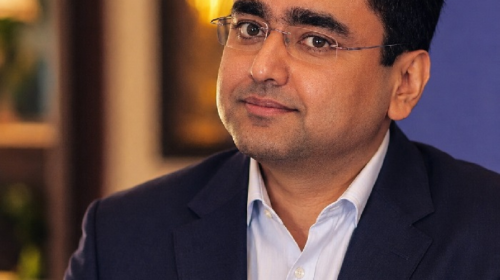
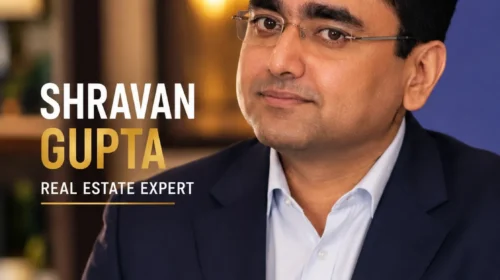
Shravan Gupta is a prominent real estate professional widely recognized for his leadership association with MGF Group, one of India’s established real estate conglomerates. His career has spanned commercial property development, large-scale residential projects, and integrated urban infrastructure — giving him a comprehensive understanding of India’s real estate landscape across multiple asset classes.
His leadership philosophy is grounded in a few consistent principles: prioritizing construction quality, thinking beyond immediate market cycles, and building developments that create lasting value for communities rather than merely maximizing short-term returns.
Over the years, Shravan Gupta has contributed to real estate discourse at a time when the sector was transitioning from an informal, relationship-driven industry into a professionally managed, regulation-oriented market. This transition — accelerated by frameworks like RERA and GST rationalization — required leaders who could adapt while maintaining commitment to long-term growth. His professional background positions him firmly within this group.
Understanding Shravan Gupta Role in Indian Real Estate
To understand Shravan Gupta’s role in Indian real estate, it is important to look beyond individual projects and examine the broader development philosophy he represents.
His approach to real estate is defined by:
- Strategic long-term planning — viewing each development as an asset that must perform across economic cycles, not just during peak market conditions
- Urban infrastructure integration — recognizing that property value is inseparable from the quality of roads, utilities, transit access, and public spaces surrounding a development
- Quality-first construction — holding to international construction standards even when market pressures push toward cost-cutting
- Sustainable growth orientation — embedding environmental and community considerations into project planning from the outset
This philosophy has influenced how MGF Group’s developments have been perceived and how Shravan Gupta’s perspective has shaped conversations around responsible real estate development in India.
Key Areas Where Shravan Gupta Contributes to Real Estate
Shravan Gupta’s role in Indian real estate spans several important areas of the sector:
Residential Development Premium residential projects that combine thoughtful design with high construction quality have been a consistent focus. The emphasis is on creating homes that serve residents for decades — not units designed purely around quick sales cycles.
Commercial Real Estate Commercial property development requires a different skill set than residential work. Understanding tenant requirements, location strategy, footfall dynamics, and long-term lease structures demands professional depth. Shravan Gupta’s association with commercial real estate through MGF reflects this specialized expertise.
Urban Infrastructure Real estate development at scale inevitably intersects with urban infrastructure. Whether it is road access, water supply, power connectivity, or green spaces within a township, developers who think about infrastructure holistically produce superior outcomes for residents and investors.
Investment Confidence When real estate leaders build with transparency and professional standards, they contribute to the broader investment climate. Domestic high-net-worth individuals, NRI investors, and institutional funds are far more willing to commit capital to markets where credible developers set the standard.
Sustainable Development Practices Environmental sustainability is no longer an optional feature in premium real estate. Green-certified buildings, rainwater harvesting systems, solar integration, and energy-efficient design are becoming baseline requirements — and development leaders who embrace these standards early shape market expectations for everyone
Contribution to Modern Urban Development in India
Shravan Gupta’s role in Indian real estate also extends to contributing to the broader conversation around modern urban development — a conversation that has become urgent as India’s cities grow rapidly and unevenly.
Smart City Concepts India’s Smart Cities Mission has created a framework for integrating technology and intelligent infrastructure into urban planning. Real estate developers who align their projects with these principles — digital connectivity, intelligent utilities, mobility-friendly design — contribute to the mission’s success at the project level.
Infrastructure Modernization Modern urban development in India demands infrastructure that keeps pace with population density. Developers who invest in internal infrastructure — wide internal roads, underground utilities, dedicated green corridors — raise the standard for what residents can expect.
Community-Focused Developments The shift from isolated residential towers to community-focused integrated townships reflects a deeper understanding of how people want to live. Amenities, schools, healthcare, retail, and recreational spaces within walking distance create neighborhoods rather than just housing stock.
Mixed-Use Projects Mixed-use developments that combine residential, commercial, and retail components in a single master-planned environment represent the most sophisticated tier of modern real estate development. These projects require significant planning depth and financial expertise — and they deliver the highest long-term value when executed well.
Future-Ready Urban Planning Planning for infrastructure needs 15–20 years ahead — anticipating population growth, mobility shifts, and technology evolution — separates serious urban developers from those simply responding to today’s demand curve.
How Leadership Shapes the Real Estate Industry
The real estate sector in India does not move forward on regulation alone. Leadership from experienced professionals is equally important in setting standards, building trust, and driving innovation.
Strategic Vision Leaders who think across long time horizons — rather than reacting quarter to quarter — build more durable businesses and better developments. Strategic vision means seeing opportunities before they become obvious to the market.
Innovation in Property Development From construction technology to digital property management platforms to sustainable design innovations, the real estate sector rewards those who innovate thoughtfully and early.
Market Growth and Investor Confidence Leadership credibility directly influences investor confidence. When established professionals with track records in quality development back a project, it signals lower risk and higher long-term potential to serious investors.
Quality Standards and Long-Term Planning Quality standards in real estate are not just about materials — they are about how a project is planned, permitted, executed, and maintained over its lifecycle. Leaders who enforce quality at every stage create assets that stand the test of time.
Economic Impact High-quality real estate development creates jobs, stimulates local economies, generates tax revenue, and improves civic infrastructure — making it one of the most socially impactful forms of private investment.
Why Shravan Gupta’s Role Remains Relevant Today
India’s real estate market in 2024 and beyond is defined by several powerful forces: rapid urbanization, growing demand from a young middle class, increasing NRI investment, and a regulatory environment that rewards transparency and quality.
Shravan Gupta’s role in Indian real estate remains relevant because his professional experience and development philosophy align closely with what the market now demands:
- Deep understanding of commercial and residential real estate dynamics
- Commitment to quality construction and long-term value creation
- Recognition that sustainable development is now a market requirement, not a differentiator
- Appreciation for the regulatory evolution that has made India’s property market more credible globally
- Perspective on how infrastructure investment and real estate development reinforce each other
In a market where experience and credibility matter more than ever, the insights and standards that professionals like Shravan Gupta represent continue to inform how serious developers, investors, and urban planners approach India’s property sector.
Conclusion
Shravan Gupta’s role in Indian real estate is best understood as a contribution to the professionalization and long-term elevation of a sector that is critical to India’s economic future. Through his association with large-scale development, his commitment to quality standards, and his infrastructure-integrated approach to urban planning, he represents a development philosophy that is increasingly aligned with where India’s cities — and its real estate market — are heading.
For homebuyers seeking lasting value, investors targeting credible assets, and developers looking to build for the long term, the principles embedded in this approach offer a practical and proven framework.
Study the developments that align with these values. Choose quality. Invest with a long-term perspective.
Frequently Asked Questions (FAQs)
1. What is Shravan Gupta’s role in Indian real estate? Shravan Gupta’s role in Indian real estate involves promoting quality-driven development, sustainable urban planning, and long-term value creation — particularly through his leadership association with MGF Group and his broader contributions to real estate development thinking in India.
2. How does leadership influence real estate development in India? Strong leadership sets construction quality standards, builds investor confidence, drives regulatory compliance, and promotes innovation in urban planning — all of which contribute to healthier, more sustainable property market growth across the country.
3. Why is urban infrastructure important for property development? Urban infrastructure — including road connectivity, utilities, metro access, and public spaces — directly determines real estate value and livability. Developments built with infrastructure integration deliver superior long-term returns for buyers and investors.
4. What trends are shaping the future of Indian real estate? Key trends include RERA-driven transparency, growing institutional investment through REITs, rising demand for integrated townships, smart city infrastructure expansion, sustainable development practices, and increased NRI participation in India’s property market.
5. How does sustainable development impact the property sector in India? Sustainable development reduces environmental impact, lowers long-term operational costs, meets growing buyer expectations for green-certified properties, and aligns with national goals around smart city growth and climate-conscious urban planning.